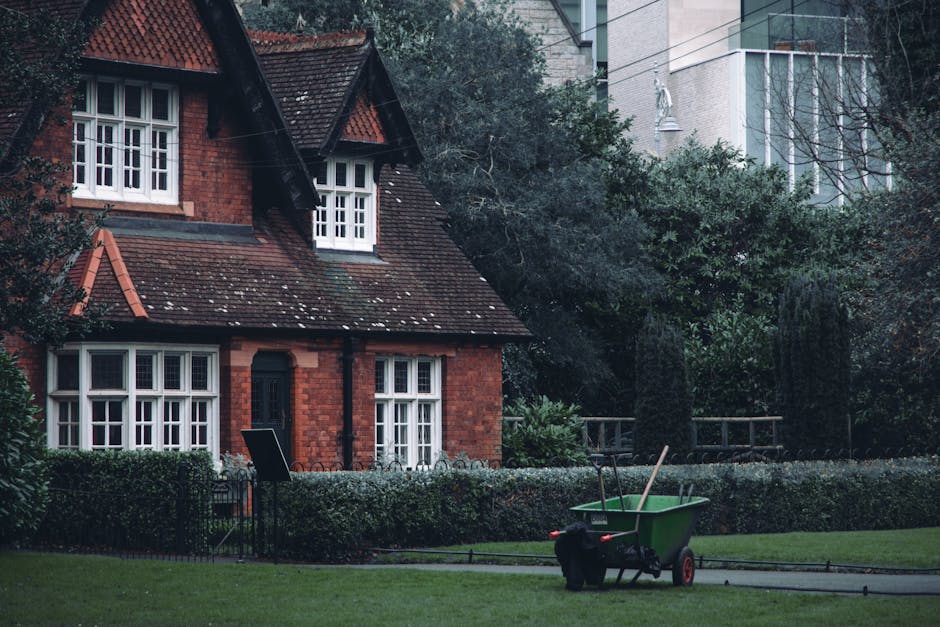
Manor Park gardeners for small yards on Romford Road: practical ideas, smart planning, and local garden care that actually fits
If you live near Romford Road, you already know the challenge: a small yard can feel tidy one week and cramped the next. Tools pile up, plants get leggy, patios collect moss, and suddenly the whole space seems smaller than it is. That is where Manor Park gardeners for small yards on Romford Road can make a real difference. The best work in compact gardens is not about doing more. It is about doing the right things, in the right order, with a light touch.
In this guide, you will find a clear, practical way to think about small-yard garden care in Manor Park. We will cover what matters, how the work is typically done, which services are worth considering, and how to avoid the common mistakes that make a tiny garden feel even tighter. There is a bit of commercial value here too, naturally, because if you are comparing options, you want to know what good looks like before you book anything.
Table of Contents
- Why Manor Park gardeners for small yards on Romford Road matters
- How Manor Park gardeners for small yards on Romford Road works
- Key benefits and practical advantages
- Who this is for and when it makes sense
- Step-by-step guidance
- Expert tips for better results
- Common mistakes to avoid
- Tools, resources and recommendations
- Law, compliance, standards, or best practice
- Options, methods, or comparison table
- Case study or real-world example
- Practical checklist
- Conclusion
- Frequently Asked Questions
Why Manor Park gardeners for small yards on Romford Road Matters
Small yards ask for a different mindset. A big garden can absorb a few mistakes. A compact one usually cannot. One overgrown hedge, one awkward corner, one patch of tired lawn, and the whole place can feel cluttered. That is why local gardeners who understand small spaces are so useful: they know how to make a yard look cleaner, brighter, and easier to use without stripping out its character.
Romford Road has its own rhythm. Homes here often sit close to busy streets, with practical outdoor spaces that need to work hard. You may want somewhere for morning tea, a few pots, a bit of privacy, maybe a child's play area, or just a garden that does not nag at you every time you glance outside. Good gardeners are not just cutting things back. They are helping you get the best from a constrained footprint.
To be fair, small-yard work is more exacting. There is less room for bulky waste, less room for poor planting choices, and less room for "we'll fix it later." That is why a thoughtful approach matters so much.
Expert summary: In a small yard, design, maintenance, and tidiness all overlap. If one is off, the whole space feels off. The best results usually come from simple improvements done consistently rather than dramatic changes done once.
How Manor Park gardeners for small yards on Romford Road Works
The process usually starts with a proper look at the space. Not a rushed glance from the gate. A useful gardener will notice sun and shade, how water drains, where the eye is drawn, and which parts of the yard are wasting space. In a compact garden, those small details carry a lot of weight.
From there, the work often falls into a few practical layers:
- Clearing and editing: removing clutter, dead growth, and anything that blocks movement or light.
- Routine maintenance: mowing, trimming, edging, and keeping plant growth in proportion.
- Space-saving improvements: tidier borders, better pot placement, simple paths, and usable seating zones.
- Problem-solving: fixing patchy lawn areas, cutting back overhang, or dealing with awkward corners.
Sometimes people imagine garden maintenance as one big job. It is rarely that neat. A small yard may need a mix of regular garden maintenance, lawn mowing, hedge trimming, and, if things have got a bit out of hand, garden clearance. The trick is matching the job to the space instead of forcing the space to fit the job.
You will often notice the difference most in the first hour or two. Once the edges are sharp, the clutter is gone, and the taller growth is under control, the yard feels wider. Strange, but true.
Key Benefits and Practical Advantages
The benefits of working with gardeners who understand compact urban yards are very practical. Yes, the garden looks better. But the value runs deeper than that.
- Better use of limited space: every metre matters in a small yard, so layout choices become far more important than fancy features.
- Less ongoing stress: if maintenance is consistent, the garden does not spiral into a catch-up job every few months.
- Improved light and openness: cutting back the wrong growth can instantly lift the feel of a tight outdoor area.
- Safer movement: a cleaner, clearer yard is easier to walk through, store things in, and use without tripping over pots or offcuts.
- More privacy and comfort: carefully managed planting and screening can make a compact space feel more enclosed in a good way.
- Healthier plants: by reducing crowding and improving shape, you usually get stronger long-term growth.
There is another benefit that gets overlooked: small gardens are often easier to keep attractive once the structure is right. A well-placed border, a modest deck area, a neat lawn strip, and a couple of restrained planting zones can outperform a crowded setup every time.
If your garden is more "narrow strip behind the house" than "country retreat," that is fine. Honestly, those spaces often look best when they are simple and purposeful.
Who This Is For and When It Makes Sense
This kind of service is ideal if you want the garden to feel manageable rather than demanding. That could mean you are a homeowner, landlord, tenant, or property manager dealing with a compact yard near Romford Road. It also suits people who use the garden lightly but still want it to look cared for.
It makes sense when:
- the garden feels overcrowded or difficult to move through;
- the lawn, hedges, or borders are starting to overwhelm the space;
- you want the yard to look good with less ongoing effort;
- you have just moved in and need the space brought under control;
- you are preparing a property for sale or letting;
- you have limited time, mobility, or equipment;
- you want to improve the garden without a full redesign.
It may also make sense to step beyond basic maintenance and into landscaping or even landscape gardening if the layout is awkward. That does not always mean a big spend or a dramatic rebuild. Sometimes it just means moving a pathway, changing the planting balance, or creating one strong focal point so the eye is not bouncing everywhere.
And if the yard is full of old pots, broken timber, or piles of cuttings from previous work, a proper reset with the right clearance service can save you a lot of faffing about.
Step-by-Step Guidance
If you are trying to decide how to handle a small garden, this is the order that usually works best. Not glamorous, but effective.
- Walk the space slowly. Look at what blocks movement, light, and sightlines. Stand at the back door, the gate, and any seating area.
- Remove what is not earning its place. Dead plants, broken containers, unnecessary clutter, and tired features all shrink the room.
- Cut back overgrowth carefully. In a small yard, you rarely want heavy reductions everywhere. Shape matters more than brute force.
- Define the main use of the space. Is it for sitting, storage, children, pets, or planting? You need one clear purpose first.
- Repair the basics. Edge the lawn, tidy borders, and sort drainage or patchy sections before adding anything new.
- Choose plants that suit the scale. Smaller, slower-growing, or well-contained plants usually work better than enthusiastic spreaders.
- Review access and maintenance. Ask yourself how you will keep the space looking decent in two months, not just today.
A neat little rule of thumb: if a feature makes the space harder to cross, harder to clean, or harder to enjoy, it probably needs rethinking. No drama. Just rethink it.
Expert Tips for Better Results
Small-yard gardening rewards restraint. That sounds obvious, but people still overfill these spaces all the time. The best results usually come from a handful of decisions made carefully.
- Keep the planting palette simple. Too many colours, leaf shapes, and heights can make a tight yard look fussy.
- Use vertical space with care. Trellises, climbers, and wall-mounted planting can help, but only if they do not become visual clutter.
- Keep sightlines open. If you can see more of the floor space, the yard feels larger.
- Choose materials that age well. In small gardens, every finish is more visible, so weathered surfaces show quickly.
- Trim little and often. Waiting too long tends to create a bigger job than necessary.
- Think in zones. Even a tiny yard can have a sitting corner, a planting edge, and a utility area if you plan it properly.
One practical tip from lived-in experience: if you can do a job in ten calm minutes now, do not wait until it becomes a two-hour all-day headache. Gardens have a funny way of multiplying trouble while you are busy elsewhere.
Another simple one. Use one or two strong shapes rather than lots of tiny bits. A clean rectangle of lawn, for example, can look far better than a chopped-up patchwork that is hard to mow and even harder to enjoy.
Common Mistakes to Avoid
Small yards expose poor decisions quickly. These are the ones that cause the most trouble.
- Overplanting: It is tempting to cram in "just one more" shrub or pot. Usually, that is the moment the space starts to feel cramped.
- Ignoring maintenance access: If you cannot reach the back corner without awkward stretching, that area will become a problem.
- Using oversized features: Big planters, broad furniture, or chunky screens can dominate a modest yard.
- Letting hedges and climbers run wild: They can swallow light faster than people expect.
- Choosing a lawn that does not suit the usage: In some small yards, a little lawn is fine; in others, it just becomes a tired patch to keep fixing.
- Skipping the tidy-up stage: A beautiful small garden with clutter in it still looks messy. A bit unfair, but that is the truth.
People also underestimate the effect of poor waste handling. Cuttings left in sacks, broken branches tucked in a corner, or half-finished clearance work can make a tiny yard feel more chaotic than the original problem. If the garden needs a reset, get the reset done fully.
Tools, Resources and Recommendations
You do not need a truckload of specialist gear for a small yard, but the right tools make the difference between a neat result and a patchy one.
| Task | Useful tools | What to look for |
|---|---|---|
| General tidying | Gloves, rake, secateurs, green waste bags | Comfort, control, and easy disposal |
| Lawn care | Light mower or edging tools | Compact size and clean cutting |
| Cutting back growth | Hand shears, pruning saw, loppers | Sharp blades and safe handling |
| Clearance work | Wheelbarrow, sacks, tarpaulin | Easy movement through narrow access |
| Planning changes | Notebook, tape measure, camera | Simple records of what works |
If you are hiring help, ask whether the approach suits a compact space. A team used to larger suburban gardens may still do a good job, but small-yard work benefits from a careful eye and tidy finish. If you want to compare what is usually covered, start with the services overview, then review the particular service page that matches the job.
For people who care about disposal and greener practice, it is worth asking how green waste is handled and whether reusable materials are separated where possible. That is where a clear recycling and sustainability approach can matter, especially if your yard produces regular clippings and pruning waste.
Law, Compliance, Standards, or Best Practice
For most garden work in small private yards, the main issue is not complicated law. It is sensible, safe, and responsible practice. That said, it helps to keep a few points in mind.
If trees are involved, especially near boundaries, buildings, or shared access, work should be carried out carefully and with proper judgement. Some trees may be protected, and some situations can involve permissions or neighbour considerations. If there is any doubt, pause and check rather than guessing. That is the boring answer, but the right one.
Good practice also matters for safety. Tools should be used correctly, waste should be managed properly, and access routes should be kept clear. If a company shares its approach to health and safety and insurance and safety, that is a reassuring sign. It shows the basics are being taken seriously, not treated as an afterthought.
For customers, the practical standard is simple: you should expect clear communication, sensible scheduling, tidy work, and straightforward pricing information before the job begins. If you want to know more about how quotes and payment are handled, the site's pricing and quotes and payment and security pages are useful starting points.
Options, Methods, or Comparison Table
When you are working with a small yard, there are usually a few different ways to approach it. The best one depends on whether the space is mainly overgrown, tired, awkwardly laid out, or simply neglected.
| Approach | Best for | Pros | Trade-offs |
|---|---|---|---|
| Routine maintenance | Yards that are already usable | Affordable, steady, low disruption | Won't fix deeper layout issues |
| Clearance plus tidy-up | Spaces that have become cluttered | Fast visual improvement, resets the garden | May need follow-up maintenance |
| Light landscaping | Awkward or underused spaces | Improves function and feel | Needs planning and a clearer brief |
| Targeted specialist work | Hedges, lawns, or trees causing the problem | Solves specific issues cleanly | May not address the overall layout |
For many small yards, the smartest option is a blend: start with maintenance, add targeted clearance, then make one or two modest improvements. In a compact space, small changes can have a bigger visual payoff than you expect. Sometimes the quiet fix is the best fix.
Case Study or Real-World Example
Picture a narrow yard off Romford Road: a small paved area, a tired strip of grass, a hedge leaning in a bit too far, and a few pots that have clearly been moved around more than once. Nothing dramatic, just a space that had become awkward and dull. The owner wanted somewhere pleasant to sit after work, but every corner felt busy.
The practical first step was not redesigning the whole lot. It was editing. Unused items were cleared out, the hedge was brought back into shape, the lawn edge was defined, and the planting was reduced to a few stronger, better-placed containers. A simple seated corner gave the yard one clear purpose. No fancy trickery, no overthinking.
After that, the space read differently. You could see the ground again. Light moved through it. The garden did not become bigger, obviously, but it felt bigger, which is often what people really want. The owner could finally enjoy it without feeling guilty every time they looked out the back door. Small win? Sure. But a meaningful one.
That is the point with Manor Park gardeners for small yards on Romford Road: the work is often less about transformation for its own sake and more about making the space easy to live with.
Practical Checklist
Use this before booking work or starting your own tidy-up. It keeps things grounded.
- Have you identified the main problem: clutter, overgrowth, poor layout, or weak maintenance?
- Do you know what you want the yard to do most of the time?
- Have you checked whether the lawn, hedges, or borders need separate attention?
- Is there anything that should be cleared before new work begins?
- Will the changes make the space easier to use, not just prettier?
- Do you know how the garden will be maintained after the first visit?
- Have you considered waste removal and sustainability?
- Are safety, access, and insurance details clear?
- Have you asked for a quote that matches the actual size and condition of the yard?
- Will the result still feel manageable in a month or two?
If you can tick most of those boxes, you are already ahead of the game. Not glamorous, perhaps, but solid.
Get a free quote today and see how much you can save.
Conclusion
Small yards can be beautiful, but they need a steadier hand than larger gardens. The most effective Manor Park gardeners for small yards on Romford Road are the ones who understand proportion, access, maintenance, and the everyday reality of urban outdoor space. A good result is usually calm, tidy, and practical rather than loud or overdesigned.
If you want a space that feels easier to use, easier to keep, and nicer to look at, start with the basics: clear the clutter, trim with restraint, and make sure every feature has a job. That is where the real value lives.
And honestly, a small yard that works well can be one of the nicest parts of a home. Quiet in the morning. Useful in the evening. A bit of fresh air without the faff. Hard to beat that, really.
Frequently Asked Questions
What do Manor Park gardeners for small yards on Romford Road usually do first?
They usually start by assessing the space, clearing clutter, and identifying the biggest issues. In a small yard, the first job is often to create breathing room before any planting or layout changes happen.
Is garden maintenance enough for a small yard, or do I need landscaping too?
It depends on the condition of the space. If the yard is already functional, regular garden maintenance may be enough. If the layout feels awkward or cramped, some landscaping or light redesign can make a big difference.
How often should a small urban garden be maintained?
That depends on growth rate, planting style, and how much use the garden gets. Many compact gardens benefit from frequent light upkeep rather than waiting for a big seasonal tidy-up. Smaller jobs done regularly are easier to control.
Can a small yard actually look bigger after gardening work?
Yes. Trimming overgrowth, reducing clutter, improving edges, and opening sightlines can make a space feel noticeably larger. You are not changing the footprint, but you are changing how the eye reads the space.
What if my yard is mostly paved with only a few planting areas?
That is common on Romford Road and around Manor Park. Paved yards can still look attractive with well-chosen containers, clean lines, and careful maintenance. The main thing is avoiding too many bulky items.
Do I need garden clearance before regular maintenance?
If the yard has become cluttered with waste, broken items, or dense overgrowth, clearance first is usually the smarter choice. It gives maintenance work a clean base and prevents the same mess from returning straight away.
What services are most useful for a small garden?
Often the most useful services are lawn mowing, hedge trimming, garden maintenance, and, where needed, garden clearance. If the space has structural problems, targeted landscaping can be helpful too.
How do I know if a quote is fair for a small yard?
A fair quote should reflect the actual size, the amount of work, access conditions, and any disposal needs. A clear quote is better than a vague low price that later grows arms and legs.
What should I ask before hiring a gardener for a small yard?
Ask what is included, how waste will be handled, whether insurance and safety are covered, and what happens after the first visit if ongoing maintenance is needed. Clear answers usually tell you a lot about the standard of service.
Can small-yard gardening help with privacy?
Yes. Careful hedge trimming, selective planting, and well-placed screening can improve privacy without making the space feel boxed in. In a small garden, balance matters more than height alone.
Are there sustainability benefits to hiring a local gardener?
There can be. Local work often means better route efficiency, and some gardeners take care to separate green waste and reuse materials sensibly. If that matters to you, ask how recycling and sustainability are handled.
What is the biggest mistake people make with small yards?
Probably overfilling them. Too many plants, too much furniture, or too many decorative features can make a compact yard feel cramped very quickly. Sometimes subtraction is the best design move.
If you are ready to turn a tight, awkward yard into something usable and calm, choosing the right help makes all the difference. A small space can still feel generous. That is the lovely part.